Loading...
Private Northern Circuit safaris · Arusha, Tanzania
Discover Africa’s Soul Plan My Trip
About Tanzania

Home / Travel Guide / About Tanzania

Wildlife & parks

About Tanzania

From Swahili trading towns to Maasai grasslands and hunter-gatherer heritage — Tanzania's story adds depth to every game drive.

History and union

The Swahili coast flourished for centuries as a trading bridge between Africa, Arabia, and Asia. Tanganyika gained independence in 1961; Zanzibar followed in 1963. The United Republic of Tanzania formed in 1964, uniting mainland and islands.
People and languages

More than 120 ethnic groups share the country. Swahili binds them in government, media, and daily exchange; English is common in schools and tourism. Greetings before business are not optional — they are culture.

Communities you may meet

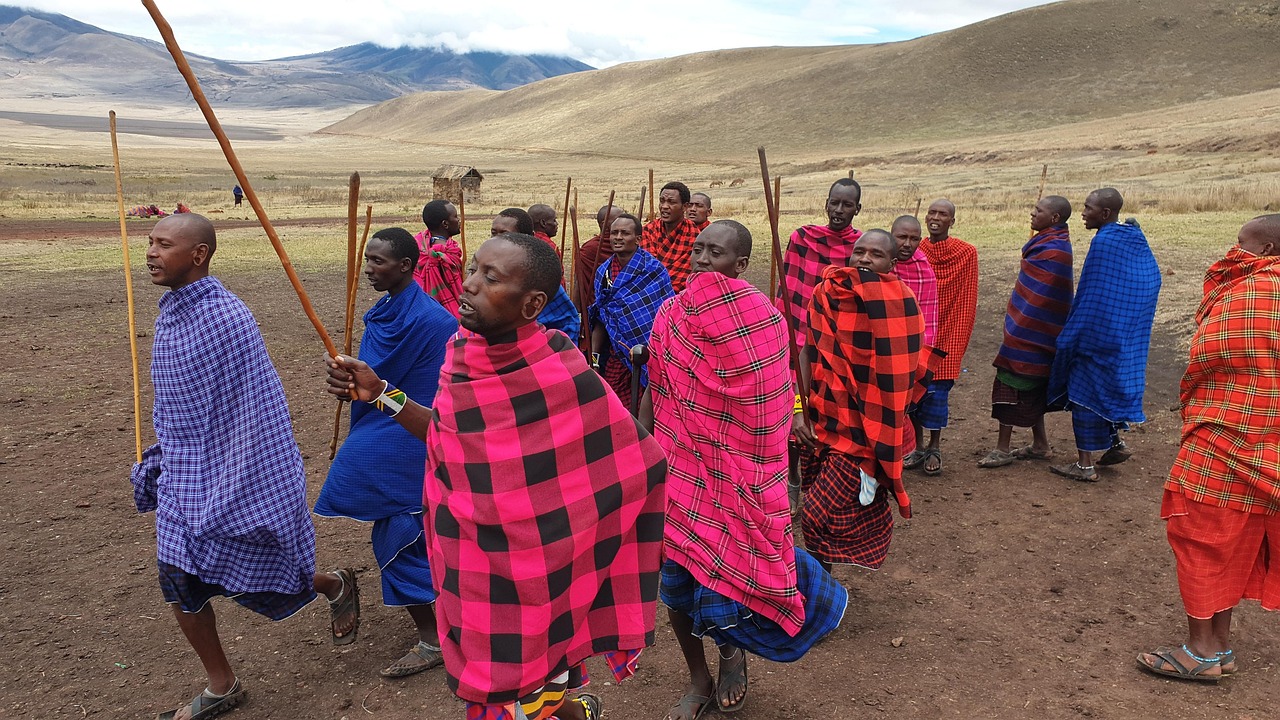
The Maasai pastoralists of northern Tanzania maintain cattle-centred traditions amid changing land use. Chaga farmers cultivate coffee and bananas on Kilimanjaro's slopes. Near Lake Eyasi, the Hadzabe maintain one of Africa's last hunter-gatherer lifestyles — visit respectfully with licensed guides.

Stone Town and the coast

Zanzibar's Stone Town — a UNESCO site — layers Omani, Persian, Indian, and African influences in carved doors, spice markets, and harbour life. It pairs naturally with a northern safari.

Next step

Want a route built around this?

Share your dates and party size — we turn guide notes into a private itinerary.

Plan My Trip